
Second Fire
It is inevitable for a man in his years of strength, skepticism, companionship, love, and fervor to encounter questions that he is not yet ready to answer, find himself in situations he isn’t equipped to deal with, and meet people who don’t speak his language.
To him the world is his, and his mind is the world. The more he knows, the more he expands in his awe and the less does he allow reason to get into his head. Reason is not fiery enough for him yet. It is slow and prosaic. And such is the nature of his every answer to the resistance he faces from the world. His answer, his self-belief, his ardor, his chain of thought is supreme. It defies religion and the state and every philosophy, not by denying it deliberately, but by simply existing. At this point he isn’t interested in all of that any more than he is in the anatomy of a fly.
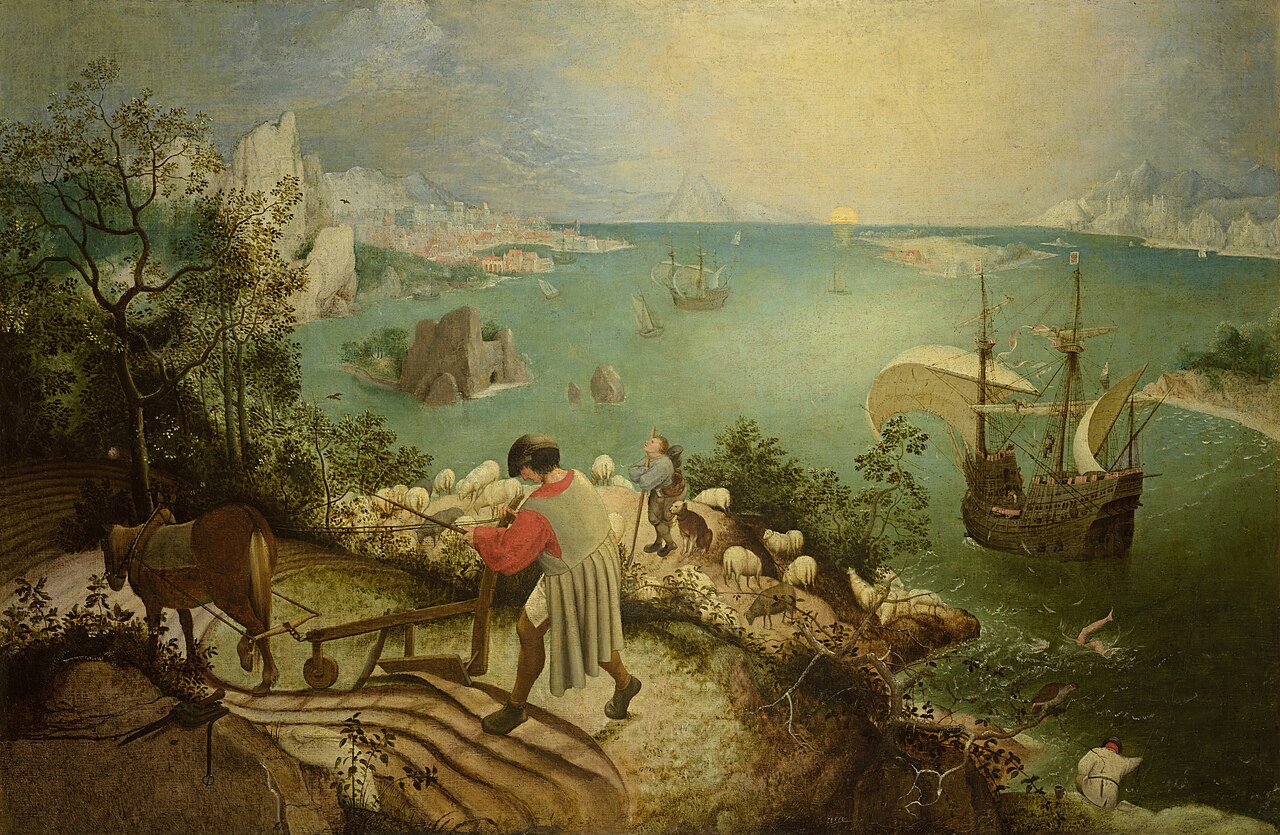
With his self-belief created, tested, and affirmed on his own against the resistance of the world he feels a false sense of sacrifice when the world repels him beyond his ability to push. He dies a hero’s death in a state of total ignorance. The mind, his world, collapses when his heart loses something dear to itself. The heart is greater than his mind, for the heart is the soul of his soul. The mind only a vessel to use his body.
This humility and submission, contrary to the fire of his youth, does not come on its own. It comes by force. It is impending and it shoves it down his throat that he is imperfect. It kills him on the inside but he has no way of life, no order, no organization to answer it, and so he kneels, and if he is ashamed he weeps.
Love for the pupil in a teacher comes only after the expectations he has for him. The pupil’s vices and virtues are both fuel for his subconscious negation or elevation in the master’s head. The master sees his pupil, dejected and confused, and, feigning indifference, he gives the smallest of tests to open up a universe inside of his student. He tests him by giving him the time and space to ask. He sees whether the humility dies inside of him, or is true enough to show. The pupil, unknowingly, is now at the intersection of his knowing and not knowing the master as he does that day.
The pupil asks. The question falls faintly on the ears of the master deafened by the overjoyed sting inside of his head. The pupil in some way makes the master pass a test, too. The master is now validated in his ability to answer a question, to look at a problem and know a possibility that the person inside of the situation doesn’t. And so he answers. The answer may be unnerving for the pupil, or fortifying. It might break him or it might push him to a boundary he once dreamed of crossing for himself. But the nature of the answer matters little. It is still the humility of the pupil which is on trial.
There is a contradiction now. The pupil has to sit with it. And then he acts upon it. And now it is out for everyone to see. It is unmasked and so it is unapologetic. It is bold, but also true to the degree that it feels non-existent, as if it was always one with the character of the pupil, as if this is what he was always meant to do, as if it could not have gone any other way.
The immature self-assurance that came with the fire before now took form in a decision that was always buried underneath him, and needed only to be dug out by the shovel of contradiction and paradox. His map and destination handed to him, he need only tread the path. The master played his part however well it suited him. The pupil will one day, too, be a master.